How Automated Window Shades Save Energy in Extreme Climates
Extreme Climate Energy Costs
Whether you are battling Arizona summers or Pacific Northwest and Northern Idaho winters, extreme climates drive up energy costs. The average Phoenix household spends $300-$500/month on electricity during peak summer, with cooling accounting for 50-70% of the total. Meanwhile, homes in Washington and Idaho can see heating bills of $200-$400/month during the coldest months. In both cases, your windows are the weakest link in your thermal envelope — even modern dual-pane Low-E glass allows significant heat transfer. Each square foot of unshaded west-facing glass can add 150-200 BTUs per hour during a summer afternoon, and in winter, poorly insulated windows let precious heat escape around the clock.
How Window Shades Reduce Energy Costs
Window shades reduce energy costs through three mechanisms: blocking solar radiation before it converts to heat inside your home, creating an insulating air layer between the glass and your living space, and reducing heat transfer through your windows year-round. In summer, they lower the solar heat gain coefficient (SHGC) of your windows. In winter, they add an insulating barrier that slows heat loss. The effectiveness varies by shade type, but even basic shades can reduce solar heat gain by 30-45% and heat loss by 20-30%. Premium cellular shades achieve 50-60% heat gain reduction and up to 40% heat loss reduction, while exterior shades block up to 80% of solar heat.
The Automation Advantage
Here is where automated shades pull ahead of manual ones for energy savings. Manual shades only work when someone remembers to close them. Automated shades can be programmed to respond to conditions — closing before summer heat arrives, or closing at dusk in winter to retain warmth — adjusting based on time of day, sun position, or outdoor temperature sensors. Our data from installations across Arizona, Washington, and Idaho shows that automated shades deliver 20-35% more energy savings than identical manual shades — simply because they are consistently deployed at the optimal times. In Arizona, the afternoon heat block routine (automatically closing west-facing shades at 1 PM) alone can reduce daily cooling costs by 15-20% during summer. In colder climates, automated evening insulation routines deliver similar savings on heating bills.
Shade Types Ranked by Energy Savings
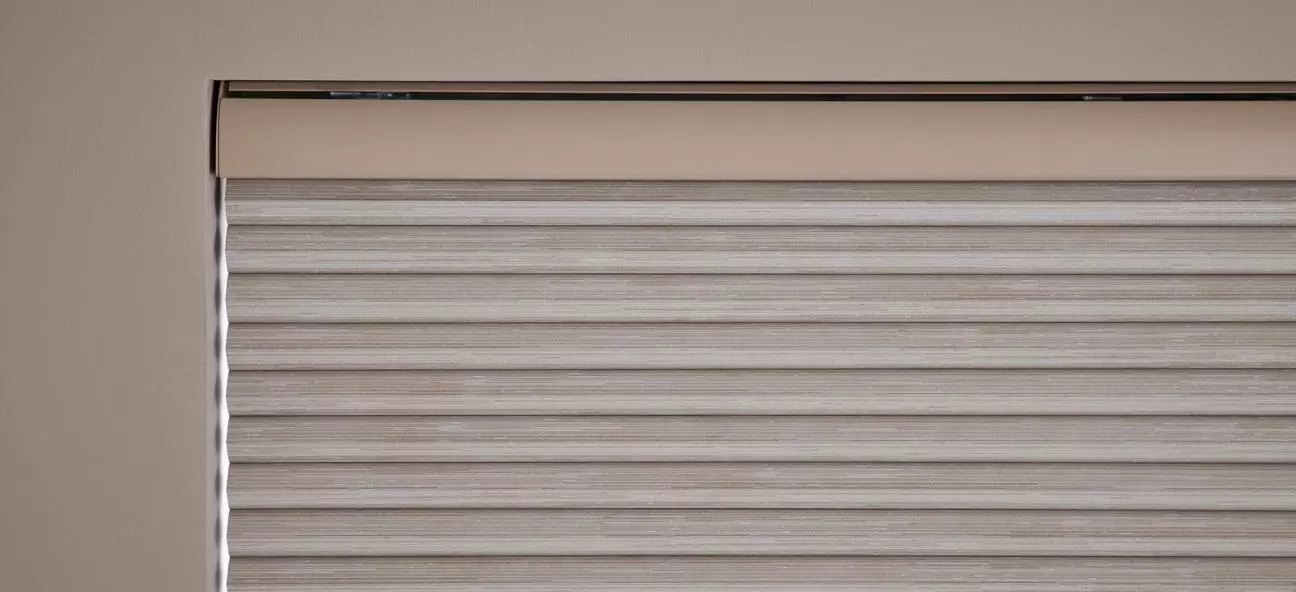
Based on our installations and DOE data, here is how shade types rank for energy efficiency. Double-cell cellular shades top the list at 50-60% heat gain reduction and up to 40% heat loss reduction — making them the best all-climate performer. Exterior shades follow at 40-70% heat gain reduction (varies by fabric). Solar shades with metallic backing achieve 40-60% heat gain reduction. Single-cell cellular shades provide 35-50% heat gain reduction and 25-35% heat loss reduction. Roller shades with thermal backing deliver 25-40%. Standard roller shades offer 20-30%. Roman shades with thermal lining provide 25-40%. For hot climates, the ideal combination is exterior shades on the worst sun exposure plus cellular or solar shades on all interior windows. For cold climates, prioritize double-cell cellular shades on all windows for maximum insulation.
Real-World Savings Numbers
Based on data from over 500 installations across Arizona, Washington, and Idaho, here are realistic monthly savings figures. During peak Arizona summer, a 2,000 sq ft home with 15 windows saves $40-$80/month on cooling by replacing bare windows with cellular shades. The same home upgrading from basic blinds to automated cellular shades saves $25-$50/month. A 3,500 sq ft home with 25 windows and whole-home automated shades saves $60-$120/month. In colder climates, winter heating savings of $30-$60/month are typical for whole-home cellular shade installations. Annual savings typically range from $300-$900 for whole-home installations across all climates, meaning quality automated shades can pay for their motorization premium in 3-7 years through energy savings alone.
Maximizing Your Energy Savings
To get the most energy savings from your window shades, start by prioritizing your climate's biggest challenge. In hot climates, focus on west and south-facing windows first since they account for 60-70% of solar heat gain. In cold climates, prioritize large north-facing windows where heat loss is greatest. Use the highest-performing shade type your budget allows for these critical windows. Automate the shades to respond to conditions — closing before peak sun in summer, and closing at dusk in winter to retain heat. Use dual-shade systems that combine solar screening (daytime) with insulating cellular (nighttime) for year-round performance. Keep shades deployed during peak energy demand hours even when you are home — the savings are significant. During your consultation, we analyze your home orientation, climate zone, and window sizes to project specific savings for your situation.
Frequently Asked Questions
Scott Dawson
Scott Dawson is the founder of SmarterShading with over 15 years of experience in premium window treatments and home automation.