Best Window Shades for Arizona Heat: Expert Recommendations
The Arizona Heat Challenge
Arizona is one of the most demanding climates for window treatments in the country. With 300+ days of sunshine, summer temperatures regularly exceeding 110°F, and UV index ratings that peak at extreme levels, your windows are the single biggest source of unwanted heat gain in your home. Studies show that windows account for 25-30% of residential heating and cooling energy use nationally — but in Arizona, that number can climb to 40-50% due to our intense solar exposure. The right window shades can dramatically reduce this heat gain, lowering your cooling bills and making your home genuinely more comfortable.
Our Top 3 Picks for Hot-Climate Homes
After 15+ years of installing window shades across Arizona, Washington, and Idaho, here are our top recommendations based on performance, value, and client satisfaction. Each excels in a different way, and most homes benefit from a combination.
Cellular Shades: Best for Energy Savings
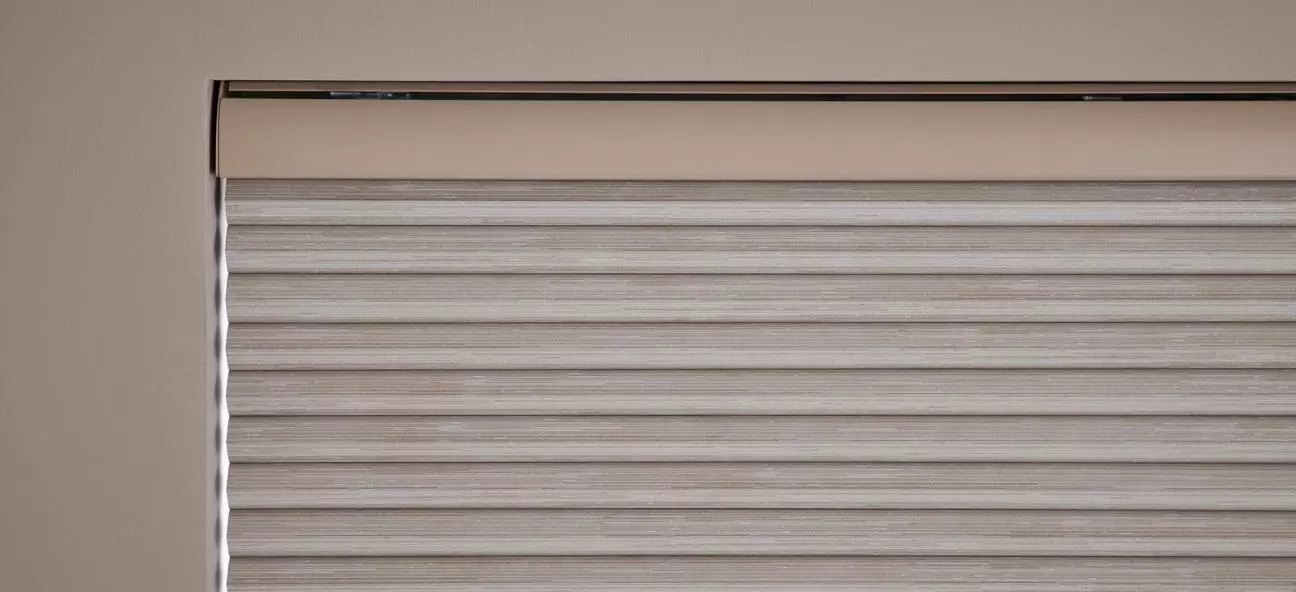
If reducing your energy bill is the top priority, double-cell cellular shades are your best weapon against Arizona heat. The honeycomb construction creates air pockets that act as insulation, reducing solar heat gain by up to 60% and heat loss in winter by up to 40%.
Why They Excel in Extreme Climates
The insulating air pockets work like a thermal barrier between the glass and your interior. On a 115°F Arizona day, the surface of a west-facing window can reach 140°F+. In cold Pacific Northwest and Northern Idaho winters, the same air pockets prevent heat from escaping through the glass. Cellular shades create a buffer zone that works year-round, reducing heat gain in summer and heat loss in winter. Double-cell construction nearly doubles the insulating value for a modest increase in cost.
Best For
South and west-facing windows (highest heat gain), older homes with single-pane windows, bedrooms where you want darkness and temperature control, and any homeowner focused on reducing energy costs. We consistently see $40-$80/month reductions in cooling bills for whole-home cellular shade installations.
Solar Shades: Best for View Preservation
If you love your views — Camelback Mountain sunsets, Pacific Northwest evergreens, Idaho lake vistas, or city skylines — solar shades let you enjoy them without brutal heat and glare. They are engineered specifically for sun control while maintaining outward visibility.
Understanding Openness Factor
The key specification for solar shades is openness factor — the percentage of the fabric that is open weave. Lower numbers mean more sun blocking: 1-3% blocks the most heat and glare (best for west-facing windows), 5% offers the best balance of view and protection (our most popular), and 10-14% provides maximum view with moderate filtering (best for north-facing or shaded windows).
Best For
Living rooms and great rooms where view matters, home offices with screen glare issues, sunrooms and enclosed patios, and any window where you want daylight without the harshness. Solar shades with metallic backing can reduce heat gain by 50-80%.
Exterior Shades: Best for Patios and Outdoor Living
Arizona outdoor living is a way of life, but from May through October, patios can be unbearable without shade. Exterior drop shades stop solar heat before it reaches your glass or patio surface, reducing temperatures by up to 20°F in the shaded area.
Why Exterior Beats Interior for Heat
Interior shades absorb and re-radiate heat inside your home. Exterior shades block solar radiation before it enters, making them 40-60% more effective at reducing heat gain. For covered patios, this means the difference between a usable outdoor space and an oven.
Best For
Covered patios and pergolas, outdoor kitchens and dining areas, pool areas, and west-facing sliding glass doors where interior shades alone are not enough. Our cable-guided systems are rated for 60+ mph winds — important during Arizona monsoon season.
Room-by-Room Recommendations for Arizona Homes
The best approach is matching the right shade type to each room based on its orientation, use, and your priorities.
West-Facing Living Areas
These rooms get the worst afternoon heat blast. We recommend solar shades (3-5% openness) with metallic backing for heat rejection while maintaining views, or double-cell cellular shades for maximum energy savings. Motorized operation is highly recommended so shades can close automatically before the afternoon sun hits.
Bedrooms
Blackout cellular shades are ideal — they block 99%+ of light for better sleep while providing superior insulation to keep the room cool. In Arizona, bedroom windows often face the morning sun, making blackout capability essential for quality sleep.
Home Offices
Solar shades (5% openness) eliminate screen glare while keeping the room bright and comfortable. If you have video calls, they also reduce the washed-out look from bright Arizona windows behind you.
Kitchens
Roller shades in light-filtering or solar fabrics. They are easy to clean (important in a kitchen), resist moisture, and provide practical sun control. Motorized is a nice upgrade since your hands are often busy when cooking.
Frequently Asked Questions
Scott Dawson
Scott Dawson is the founder of SmarterShading with over 15 years of experience in premium window treatments and home automation. He has overseen thousands of motorized shade installations across Arizona, Washington, and Idaho.