Motorized Shades vs. Manual Shades: Pros, Cons & What to Choose
Quick Comparison
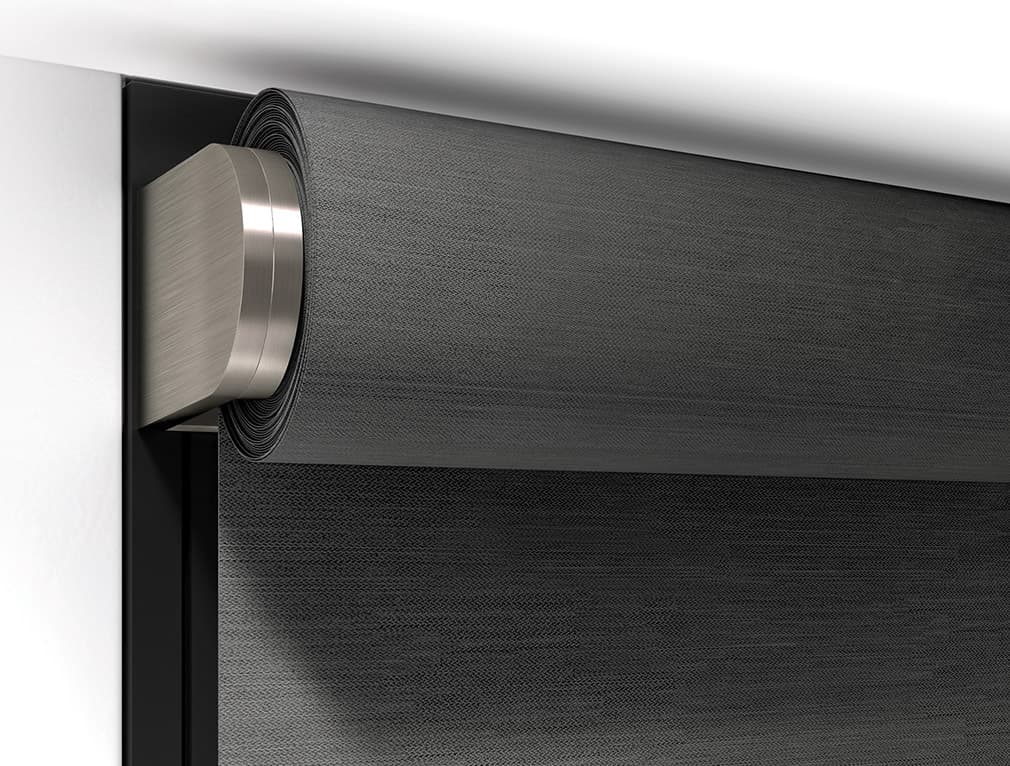
Both motorized and manual shades can look identical when installed — the difference is in how you operate them and the smart features available. Motorized shades cost 2-3x more per window but offer automation, scheduling, and integration with your smart home. Manual shades are more affordable and have no electronics to maintain. Here is a deeper dive into each option.
Motorized Shade Pros & Cons
Motorized shades have become increasingly popular, and for good reason — but they are not the right choice for every window.
Pros
Effortless operation via remote, app, or voice. Programmable schedules that automate energy savings. Essential for hard-to-reach windows, skylights, and large glass walls. Child-safe cordless design. Smart home integration. Consistent, precise positioning. Can increase home value by 1-3%.
Cons
Higher upfront cost ($400-$2,500 vs $150-$800 per window). Battery models need periodic recharging (every 6-12 months). Hardwired installation requires electrical work. Electronics can eventually need service or replacement. More complex installation process.
Manual Shade Pros & Cons
Manual shades remain an excellent choice for many applications. Modern manual shades use cordless lift systems that are smooth, safe, and easy to operate.
Pros
Lower cost per window. No batteries or electrical required. No electronics to maintain or troubleshoot. Same fabric and style options as motorized. Immediate operation with no connectivity needed. Cordless models are child-safe.
Cons
Must physically go to each window to adjust. Impractical for high or hard-to-reach windows. No automation or scheduling capability. No smart home integration. Inconsistent positioning across multiple windows. No remote access when away from home.
Cost Comparison
For a typical home with 20 windows, a whole-home manual shade installation ranges from $4,000-$16,000 while motorized runs $10,000-$50,000. The 2-3x price premium for motorization includes the motor, power system, remote or smart control, and the more involved installation process. However, motorized shades also deliver energy savings of $30-$80/month through automated scheduling, which can offset the higher cost over 5-10 years.
When to Choose Motorized
Motorized shades make the most sense for: windows you cannot easily reach (skylights, clerestory, second-story great rooms), large glass walls with multiple shades that should move in unison, bedrooms where you want sunrise/sunset automation, anyone with mobility challenges, smart home enthusiasts, and homes where energy optimization is a priority. In extreme climates — whether Arizona summers or Pacific Northwest winters — the energy savings argument is particularly strong because of high heating and cooling costs.
When to Choose Manual
Manual shades are the smart choice for: windows you rarely adjust, smaller windows that are easy to reach, budget-conscious projects, rental properties, guest rooms and secondary spaces, and windows where simplicity is preferred. A quality manual shade from a premium brand will last 15-20+ years with zero maintenance.
The Hybrid Approach (Our Recommendation)
Most of our clients get the best value with a hybrid approach: motorized shades on the high-impact windows (great room, master bedroom, hard-to-reach, and primary living spaces) and manual shades on secondary windows (guest rooms, closets, small bathrooms, and utility areas). This typically saves 30-40% compared to full motorization while delivering 90% of the convenience. The key is choosing the same brand and fabric family for both so they look identical — the only difference is operation. This approach also lets you add motorization to additional windows later as budget allows.
Frequently Asked Questions
Scott Dawson
Scott Dawson is the founder of SmarterShading with over 15 years of experience in premium window treatments and home automation.