Best Window Shades for Eastern Washington: Spokane, Tri-Cities & Beyond
Eastern Washington's Unique Climate Challenges
Eastern Washington is a world apart from the mild, rainy conditions most people associate with the Pacific Northwest. From the Spokane plateau to the Yakima Valley and the Tri-Cities basin, this region experiences true four-season extremes — summer temperatures that regularly crack 100°F and winter lows that can plunge to -10°F or colder. The high-desert elevation means intense UV exposure year-round, with sun intensity rivaling parts of the Mountain West. Add in the agricultural dust and pollen from the surrounding wheat fields, orchards, and vineyards, and your windows face a punishing combination of heat, cold, glare, and airborne particulates. The housing stock is equally diverse, ranging from early 1900s craftsman bungalows in Spokane's South Hill and Browne's Addition neighborhoods to modern new construction in developments around Liberty Lake, West Richland, and Selah. Each presents its own challenges for window treatments — older single-pane windows bleed energy, while newer homes with expansive glass let in stunning views of the Palouse or the Columbia Basin along with brutal summer heat.
Best Shade Types for Eastern Washington Homes
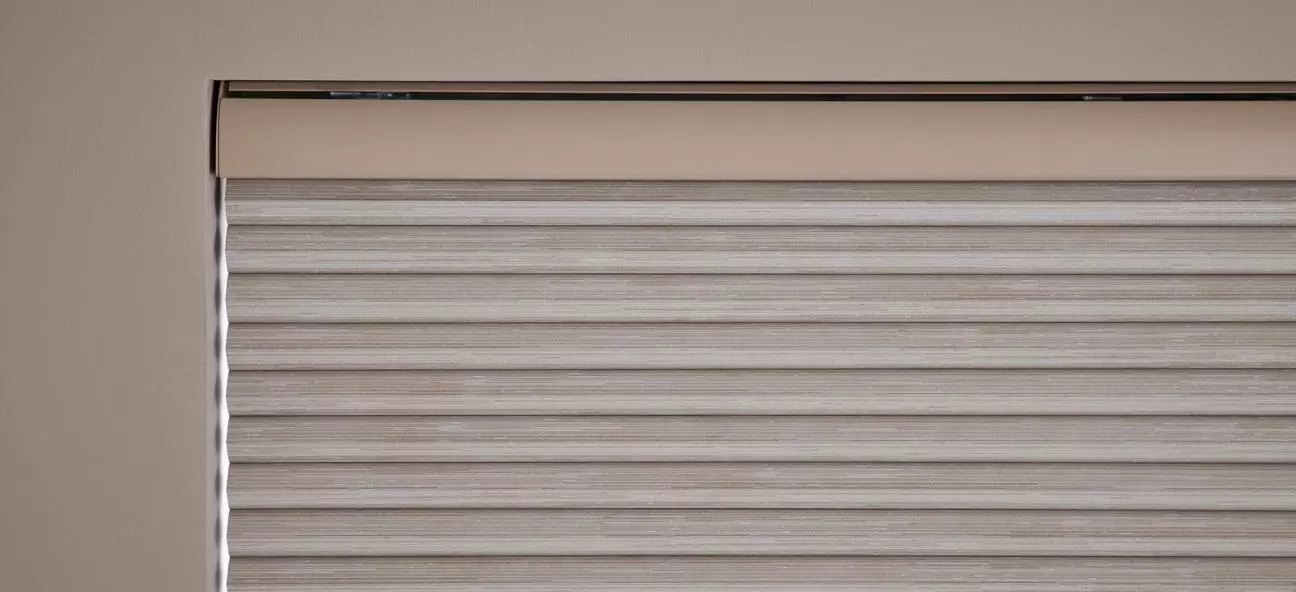
For homes across the Inland Northwest, two shade types stand out above the rest. Double-cell cellular shades are the top performer for Eastern Washington's extreme temperature range, providing critical insulation during both the bitter January cold snaps that settle into the Spokane Valley and the scorching July heat waves that bake the Tri-Cities. Their honeycomb air pockets create a thermal barrier that reduces heat gain by up to 60% in summer and heat loss by up to 40% in winter — exactly what you need when your HVAC system is fighting triple-digit highs and sub-zero lows within the same year. Solar shades with metallic backing are the ideal complement for living areas where you want to preserve views of Badger Mountain, the Spokane River, or the Wenatchee Valley while still blocking the relentless high-desert glare.
Cellular Shades for Insulation
Double-cell cellular shades are the workhorse of Eastern Washington window treatments. In older Spokane homes with original single-pane windows, they can cut heating costs by 25-35% during those stretches when temperatures hover near zero for days. During the Tri-Cities' notorious summer heat — where highs above 105°F are not uncommon — they block enough solar radiation to keep rooms comfortable without running the AC at maximum. For homes in Yakima and Ellensburg, where winter wind chill adds to the cold stress on windows, the insulating air pockets are especially valuable.
Solar Shades for Summer
Solar shades with a 3-5% openness factor are perfect for east- and west-facing windows across the region. They tame the intense morning sun that floods Spokane's South Hill homes and the brutal afternoon glare that hammers west-facing windows in Kennewick and Richland. A metallic backing adds significant heat rejection without sacrificing the outward visibility that makes Eastern Washington views so appealing. These are a favorite for home offices and living rooms where screen glare and eye strain are daily annoyances.
Energy Savings in a Four-Season Climate
Eastern Washington homeowners face the double burden of high cooling costs in summer and high heating costs in winter, making energy-efficient window treatments a year-round investment rather than a seasonal one. Avista and Pacific Power customers in the Spokane and Tri-Cities areas typically see monthly electricity bills surge past $250 during peak summer and winter months. Our installations across the region show that whole-home cellular shades reduce annual energy costs by $400-$900 depending on home size, window count, and existing window quality. The savings are split roughly 45% from summer cooling reduction and 55% from winter heating retention — a nearly even return that no other home upgrade delivers across both seasons. Homes with older single-pane windows see the most dramatic improvement, but even modern Low-E dual-pane windows benefit significantly from the added insulation layer.
Smart Automation for Extreme Temperature Swings
The 110-degree annual temperature swing in Eastern Washington makes automated shade control especially valuable. Smart scheduling ensures your shades respond to conditions without you lifting a finger — closing south- and west-facing shades before the afternoon heat arrives in summer, and closing all shades at dusk in winter to trap warmth inside. Temperature-triggered automation is a game-changer for this region: when the outdoor sensor reads above 90°F, west-facing shades close automatically, and when it drops below 25°F, all shades seal tight for maximum insulation. For snowbirds and vacation homeowners who split time between Eastern Washington and warmer climates, remote smartphone control means you can manage your shades from anywhere — keeping pipes from freezing in January by retaining heat or preventing sun damage to furnishings during your absence. Geofencing is another powerful feature, automatically adjusting shades when you leave for work in the morning and resetting them before you arrive home in the evening.
Lutron Recommendations for Eastern Washington
For Eastern Washington homes, we recommend the Lutron Caseta system as the ideal starting point for smart shade automation. Caseta delivers rock-solid reliability in a region where WiFi signals can be disrupted by severe weather and power fluctuations during winter storms. Its Clear Connect RF technology operates independently of your internet connection, so your shades continue to follow their schedule even when a January ice storm knocks out your WiFi. For larger homes — especially the newer 3,000+ square foot builds in Eagle Ridge, Terrace Heights, or Canyon Lakes — Lutron RadioRA 3 provides whole-home control with room-by-room customization that handles the different sun exposures on each side of the house. The Pico remote is a client favorite, letting you control shade groups from the couch, the kitchen counter, or mounted on the wall like a light switch. For homeowners pursuing a complete smart home build, Lutron's integration with Alexa, Google Home, and Apple HomeKit means your shades become part of a unified system alongside lighting, thermostats, and security.
Frequently Asked Questions
Scott Dawson
Scott Dawson is the founder of SmarterShading with over 15 years of experience in premium window treatments and home automation.